 Economico
Founder
Pelle Brændgaard
Founder, Economico
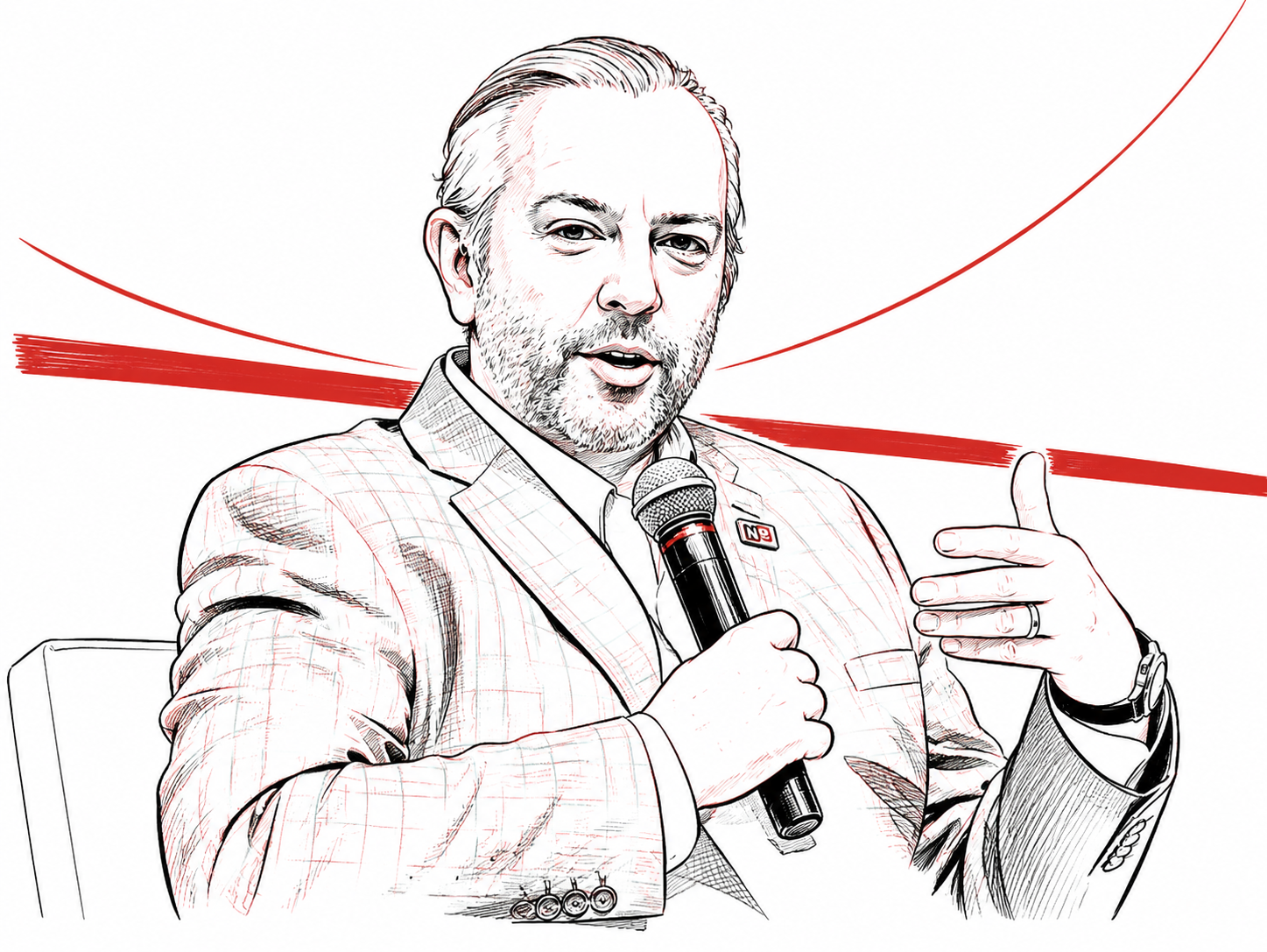
I’ve been on the same mission since the mid-90s: how people and businesses agree on something, prove who they are, and move the money. I started as a corporate webmaster at AltaVista, when taking a credit card still meant faxing the finance department. In 1998 I started CorpFlow, online company formation out of Anguilla, until new rules on the UK’s offshore dependencies changed that business overnight. Since then I’ve kept coming back to the same four things: identity, ledgers, contracts and payments. I built NeuClear in 2002 on Ian Grigg’s triple-entry accounting and Ricardian contracts, and Agree2 for API-enabled business agreements in 2007. Then came PicoMoney, where anyone could issue their own coins, and OpenTransact, a tiny HTTP payment standard that I helped write.
Later I built Kipochi, a Bitcoin wallet tied to phone numbers (what actually happened), and worked on decentralized identity at ConsenSys with uPort. I was the first tech lead at Doximity. I co-founded Notabene and ran it as CEO for nearly seven years, building the network that lets regulated financial institutions meet travel rule compliance, and I helped create TAP, the Transaction Authorization Protocol, to carry it. Running a real company, with a real finance team, taught me what happens when the contracts, the product activity and the books aren’t one record. At one point our customers owed us more than we had in the bank, and I didn’t know. I first built Economico in 2012 and shut it down too early.
Economico is where those two halves meet. For thirty years I’ve worked on the ideas: an agreement, the identities behind it and the money that moves under it should be one linked record, not three that happen to point at each other. I wrote about that in rights and obligations and balance sheets and blockchains. For nearly as long I’ve worked with the people who run finance functions and seen where that breaks. Economico puts the two together for one founder at a time. Your agents record the contract, the activity and the payments. Every entry traces back to the agreement, the agent and the documents behind it, and the books come out of that record instead of being rebuilt from exports. It works for one business on its own, and it keeps the door open to entries that two businesses can share.