Payment routing
Pay and get paid on the right rail
One account can be reached by ACH, wire, card or stablecoin wallet. Economico keeps every payment endpoint and fee schedule inside your underlying business data model, quotes eligible routes by fee and speed before money moves, and posts the settlement and provider fee to real accrual books in one entry.
Why we built this
I spent years building payment-authorization infrastructure at Notabene, and I ran a company that took USDC alongside bank transfers until manual reconciliation forced us to stop. Looking at it from both sides, the rail is rarely what breaks. It is everything around it: which wallet or bank details belong to which counterparty, what a card or wire is actually going to cost before you pick it, and how the net deposit and fee tie back to the invoice once it clears.
In Economico, your banks, card processors and wallets still move the money. What we keep is the map around them — every endpoint, fee schedule and settlement account sitting directly on your books, so your agent can quote the right rail up front and book the gross payment and fee in one step.
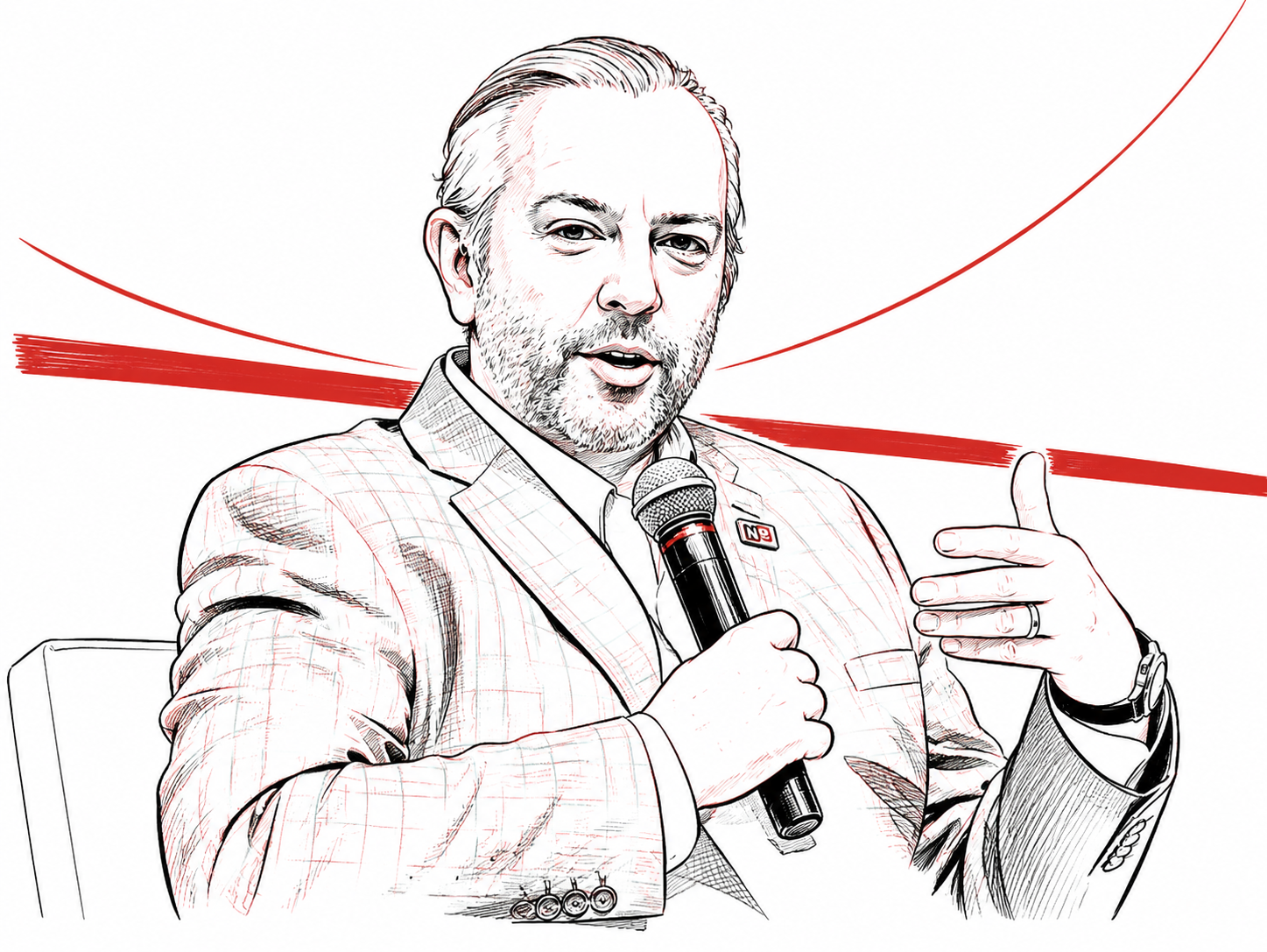 Pelle BrændgaardFounder, Economico
The rail works. Everything around it is fragile.
Once a startup moves money across more than one rail—ACH, wires, card collection and stablecoin wallets—sending the transfer is the easy five minutes. The drag shows up before and after: picking a rail blind to its real fee schedule, guessing which address belongs to which vendor or customer, and untangling net deposits and processing fees in a spreadsheet at month-end.
“The hard part is not ‘can we send USDC?’ It is accounting, approvals, who controls the wallet, what happens when the off-ramp freezes, and whether finance can reconcile it without begging engineering.”
An operator discussing B2B stablecoin adoption on r/defi
“The headache is usually the bookkeeping once those wallet transactions need to map cleanly into your books.”
A founder on r/stripe
One balance, many ways in and out
A real financial account is one pool of money, even when several rails reach it:
an ACH routing number or payto: URI, a Base or Solana USDC address, or
an account-level card collection method. Economico registers each one as a payment
endpoint on that account—and stores your customers’ and vendors’ payment
instructions beside their party records—so your agents and backend query one routing
map over MCP, REST or CLI instead of maintaining a separate table or reconciling fake cash balances later.
“Biggest issue I’ve seen is linking payouts to identity and accounting. Wallet addresses don’t map cleanly to employees.”
A payroll builder on r/web3
Quote the route before money moves, then book it whole
Each registered method carries its rails, supported assets, amount limits, typical settlement time and the fee schedule from your active provider contract. Before an invoice goes out or a vendor bill is paid, your agent asks for a route quote ranked by cheapest or fastest—filtered by counterparty, rail, asset or deadline when needed.
Once the transfer clears on your own rail, your agent records the completed payment once: the receivable or payable clears at the gross amount, cash reflects what actually landed or left, and the provider fee posts as its own expense leg in the same accrual entry.
 Your agent × Economico
Called 2 Economico tools
Economico
payment_routes · quote
✓
1. Base USDC ($0.40, ~15s) · 2. ACH ($5.00, 2d) · 3. Card ($174.30, instant)
Economico
commands · payments.process
✓
Cleared $6,000.00 AR · $5,999.60 net cash · $0.40 feeYour routing map, not another payments processor
Economico does not open bank accounts, custody wallets, hold funds or initiate transfers. A route quote is a read-only ranking from the endpoints and provider fee contracts you recorded—it never picks a rail or moves money on its own. You or your agent choose the route, execute it through your bank, processor or wallet, and record the completed settlement with its evidence so your rails and your books stay tied together.
Get started
Know what a rail costs before the money leaves.
Connect the agent you already use, register the bank, card and wallet endpoints you already hold, and quote every route from the same books that record the settlement.
Go deeper
Learn